When Life’s Story Takes an Unexpected Turn: Finding Your Way Back to the Plot
Life, much like a gripping novel, is an intricate tapestry of chapters, characters, and unexpected plot twists. We embark on our individual narratives with a certain vision, a sense of where our story is headed. But sometimes, without warning, the plot becomes confusing. Pages feel missing, dialogue grows strained, and we, the main characters, might find ourselves feeling lost, anxious, or profoundly disconnected from the narrative we thought we were living.
These are the unwritten chapters, the moments when life throws a curveball, and the path forward feels obscured. Whether it’s a silent struggle within, a growing chasm in a cherished relationship, or the turbulent waters of adolescence, recognizing these shifts is the first step toward finding your way back to a story that feels authentic and fulfilling.
Recognizing the Signs: When Your Story Needs a Co-Author (or Editor)
Often, the signs that our personal story needs attention are subtle at first, like a foreshadowing whisper before a major plot development. But over time, they can become undeniable.
The Individual Narrative: Dealing with Stress and Feeling Overwhelmed
Are you experiencing persistent feelings of sadness, an overwhelming sense of stress, or finding it difficult to cope with daily demands? Perhaps a lack of motivation has settled in, making even simple tasks feel monumental. These are common indicators that your personal growth challenges might be more than just a fleeting mood. When the inner monologue becomes a constant critique, or navigating anxiety feels like a full-time job, it’s a sign that your own story might benefit from a fresh perspective.
The Couples’ Chapter: Relationship Problems and Communication Breakdown
In the story of two, do you find yourselves trapped in constant arguments, or worse, a deafening silence? Is there a palpable distance growing between you, despite shared history? Issues like communication breakdown, unresolved conflicts, or a struggle to rebuild trust can turn a once vibrant partnership into a source of ongoing pain. When the narrative of your relationship feels stuck on a single, frustrating page, it might be time to explore how to rewrite the script together.
The Family Saga: Navigating Conflict and Parenting Challenges
Family life, a complex epic in itself, is rarely without its dramatic moments. Frequent conflict, strained relationships among siblings or generations, and the immense task of navigating difficult transitions like divorce, loss, or the complexities of blended family dynamics can leave everyone feeling off-kilter. When parenting challenges seem insurmountable, or when teen mental health concerns cast a shadow over the household, the entire family narrative can feel disjointed.
The Adolescent Arc: Teenager Struggles, and Finding Their Voice
Adolescence is a particularly turbulent chapter, a time of immense growth and profound change. If you’re witnessing social withdrawal, a decline in academic performance, extreme mood swings, increased irritability, or a struggle with identity in the teenager in your life, these are critical signals. Navigating high school, peer pressure, and the burgeoning pressures of the modern world can make this arc incredibly challenging. Recognizing these adolescent struggles is vital for helping them author a healthy future.
The Power of Perspective: How Stories (and Support) Help Us See Clearly
As an author of life-inspired fiction, I believe deeply in the power of stories. They offer us a mirror, a window, and sometimes, a map. Reading about characters who face similar trials can provide profound benefits:
Validation: You’re not alone in these feelings. Discovering that fictional characters grapple with the same emotions and dilemmas can be incredibly comforting and validating.
Empathy: Understanding other characters’ struggles, their motivations, and their journeys can help you understand your own, fostering a deeper sense of self-compassion.
New Perspectives: Stories offer different ways to approach problems, illuminating paths you might not have considered. They can expand your emotional vocabulary and provide new lenses through which to view your own circumstances.
Hope: Seeing how characters overcome daunting challenges, find resilience, and ultimately author a better outcome can inspire hope and remind you of your own capacity for growth and change.
Just as a captivating narrative can offer new perspectives on life’s complexities, sometimes our own narratives require a guiding hand to help us untangle the knots, understand the underlying themes, and discover new strengths within ourselves.
Taking the Next Step: Finding Your Own Path Forward
Acknowledging that your story needs a different direction, or that you’re struggling to write the next chapter, is an act of profound courage. While my fiction offers a glimpse into the myriad ways lives unfold, sometimes our own narratives require a deeper exploration with a trusted guide.
If you recognize these struggles in your individual life, your partnership, your family dynamics, or in the adolescent navigating their formative years, remember that there are many resources available to help you find your way. Seeking support, talking to a professional, and exploring emotional health resources are not signs of weakness, but rather powerful steps towards mental well-being and a more fulfilling life story. It’s about finding someone who can help you identify the missing pieces, understand the characters (including yourself!), and develop the tools to confidently author your best story yet.
Every life is a unique story, and it’s okay for stories to have difficult, messy, or unexpected chapters. The beauty lies in our ability to learn, adapt, and ultimately, to keep writing.
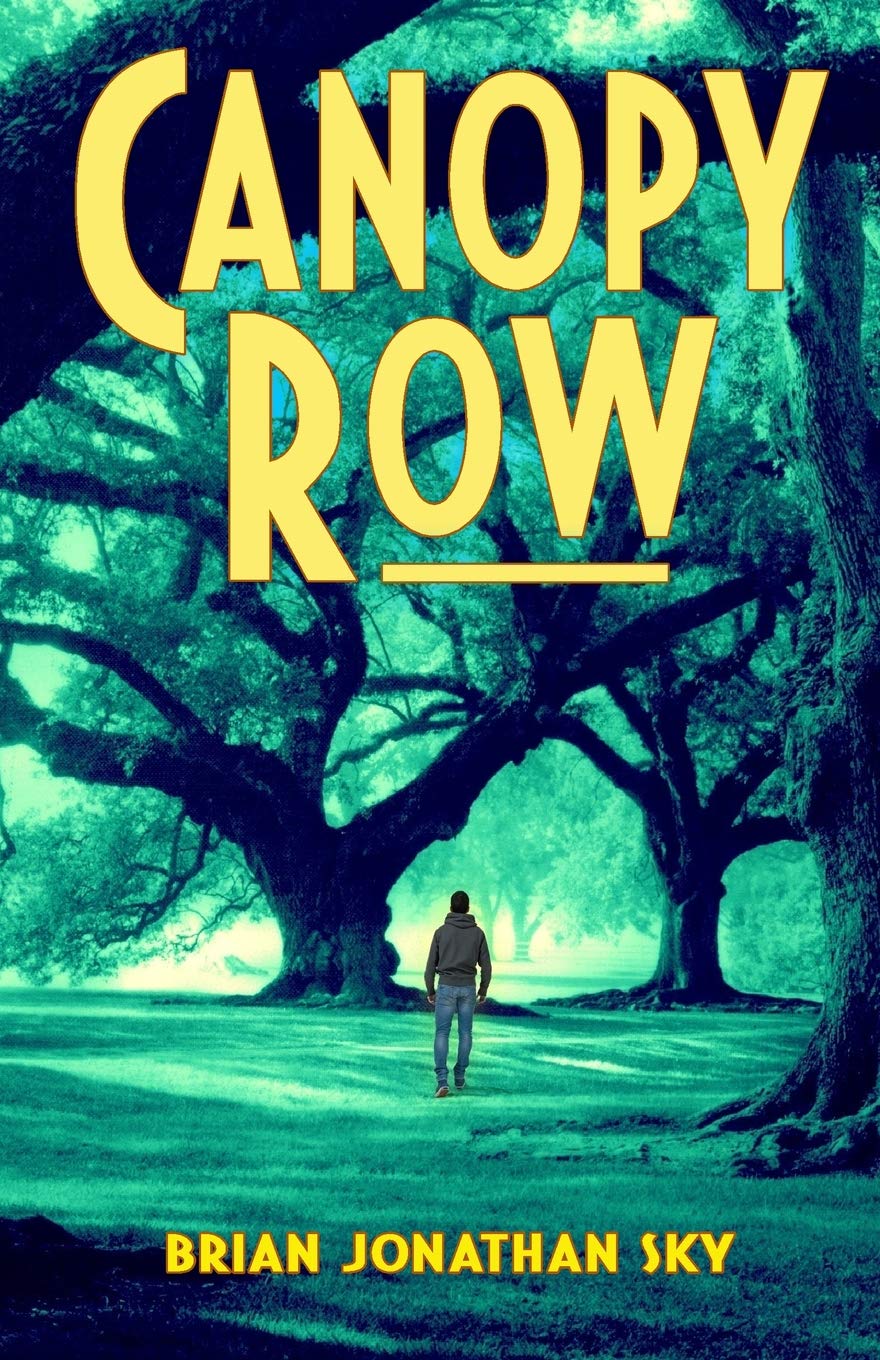
For more insights into the human condition, or simply to get lost in a new tale that might illuminate your own path, explore my life-inspired story here.